









Exploring the World of Software: A Comprehensive Guide to Understanding, Choosing, and Utilizing Software Solutions
In today’s digital age, software is the backbone of almost every aspect of our lives, from personal productivity to complex business operations. Understanding the various types of software and knowing how to choose and utilize the right solutions can significantly enhance efficiency and innovation. This comprehensive guide delves into the world of software, exploring its types, benefits, and key considerations for selecting the best software solutions for your needs.
### What is Software?
Software is a collection of instructions, data, or programs used to operate computers and execute specific tasks. It is the intangible component of computers, enabling hardware to perform various functions. Software can be broadly categorized into two types: system software and application software.
### Types of Software
#### 1. System Software
System software serves as a bridge between the hardware and user applications, managing system resources and providing a platform for running application software. Key types include:
– **Operating Systems (OS)**: Examples include Windows, macOS, Linux, and Android. These systems manage hardware resources and provide an environment for application software to run.
– **Device Drivers**: These programs allow the operating system to communicate with hardware devices like printers, graphics cards, and network adapters.
– **Utility Programs**: These include antivirus software, disk cleanup tools, and system monitors, which help maintain and optimize computer performance.
#### 2. Application Software
Application software is designed to help users perform specific tasks. It can be categorized into various types, including:
– **Productivity Software**: Includes word processors (Microsoft Word), spreadsheets (Excel), and presentation tools (PowerPoint).
– **Database Management Systems (DBMS)**: Examples are MySQL, Oracle, and Microsoft SQL Server, which help manage data and databases.
– **Graphics Software**: Programs like Adobe Photoshop and CorelDRAW used for creating and editing images.
– **Communication Software**: Tools like email clients (Outlook), messaging apps (Slack), and video conferencing software (Zoom).
– **Entertainment Software**: Includes video games, media players, and music applications.
### Benefits of Using Software
#### 1. Increased Efficiency
Software automates repetitive tasks, reducing the time and effort required to complete them. For businesses, this translates into higher productivity and efficiency.
#### 2. Improved Accuracy
Automated processes minimize human errors, ensuring more accurate and reliable results. For example, accounting software significantly reduces the likelihood of mistakes in financial calculations.
#### 3. Cost Savings
Investing in the right software can lead to substantial cost savings by streamlining operations, reducing the need for manual labor, and enhancing resource management.
#### 4. Enhanced Collaboration
Software solutions like project management tools and communication platforms facilitate better collaboration among team members, regardless of their geographical location.
#### 5. Data Management and Analysis
Software enables efficient data storage, retrieval, and analysis, providing valuable insights that can inform decision-making and strategy development.
### Key Considerations for Choosing Software
#### 1. Identify Your Needs
Before selecting software, clearly define your requirements. Consider the specific tasks you need the software to perform, the number of users, and the desired features.
#### 2. Compatibility
Ensure that the software is compatible with your existing hardware and operating systems. Compatibility issues can lead to inefficiencies and additional costs.
#### 3. Usability
Choose software that is user-friendly and intuitive. Complex software with a steep learning curve can hinder productivity and require extensive training.
#### 4. Scalability
Consider the future growth of your business or project. Select software that can scale to accommodate increasing data volumes, users, and functionalities.
#### 5. Security
Security is paramount, especially for software that handles sensitive data. Look for software with robust security features, including encryption, user authentication, and regular updates.
#### 6. Vendor Reputation
Research the software vendor’s reputation. Reliable vendors offer quality support, regular updates, and patches to address bugs and security vulnerabilities.
#### 7. Cost
Evaluate the total cost of ownership, including initial purchase price, subscription fees, maintenance costs, and any additional expenses for training and support.
### Popular Software Solutions in Various Domains
#### 1. Business Management Software
– **Enterprise Resource Planning (ERP)**: Examples include SAP, Oracle ERP, and Microsoft Dynamics, which integrate various business processes into a single system.
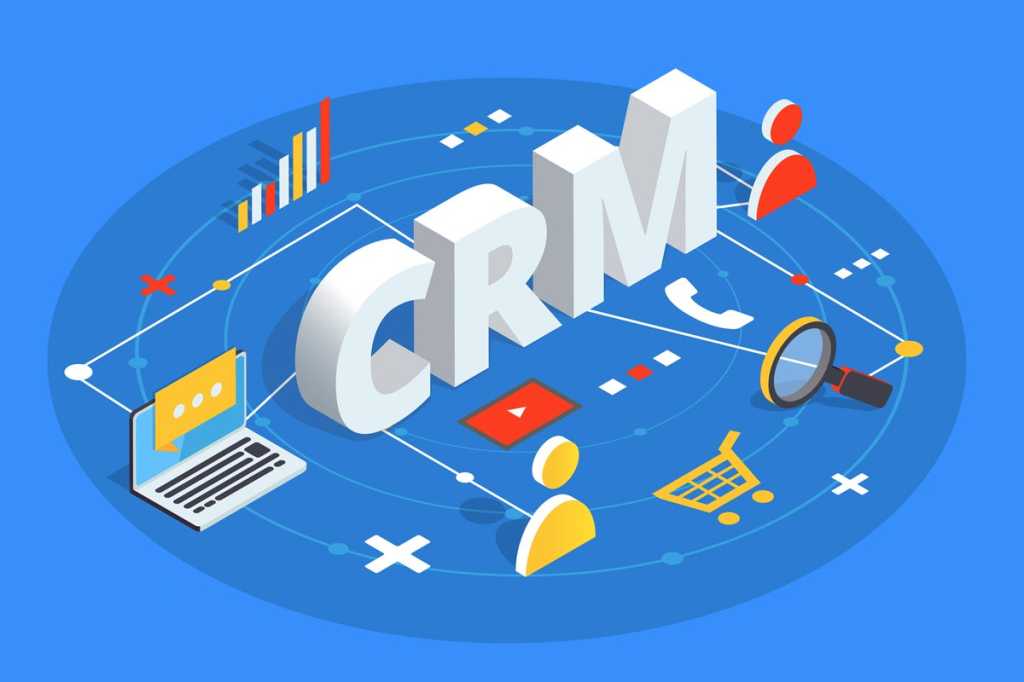
– **Customer Relationship Management (CRM)**: Salesforce, HubSpot, and Zoho CRM help manage customer interactions, sales, and marketing efforts.
#### 2. Project Management Software
– **Trello**: A visual tool for organizing tasks and projects.
– **Asana**: Helps teams coordinate and manage their work.
– **Microsoft Project**: Offers comprehensive project planning and management capabilities.
#### 3. Graphic Design Software
– **Adobe Creative Suite**: Includes Photoshop, Illustrator, and InDesign for various design needs.
– **Sketch**: Popular among UI/UX designers for creating digital interfaces.
– **Canva**: User-friendly tool for creating graphics, presentations, and social media posts.
#### 4. Cybersecurity Software
– **Norton**: Provides antivirus and internet security solutions.
– **McAfee**: Offers comprehensive cybersecurity protection for individuals and businesses.
– **Kaspersky**: Known for its robust antivirus and cybersecurity solutions.
#### 5. Educational Software
– **Moodle**: An open-source learning management system (LMS) used by educational institutions.
– **Google Classroom**: Facilitates online teaching and learning.
– **Khan Academy**: Provides free online courses and educational resources.
### The Future of Software
The software industry is continuously evolving, driven by advancements in technology and changing user needs. Key trends shaping the future of software include:
#### 1. Artificial Intelligence (AI) and Machine Learning (ML)
AI and ML are transforming software by enabling smarter applications that can learn and adapt. Examples include predictive analytics, personalized recommendations, and automated customer support.
#### 2. Cloud Computing
Cloud-based software solutions offer greater flexibility, scalability, and cost-efficiency. SaaS (Software as a Service) models are becoming increasingly popular, allowing users to access software over the internet without the need for local installation.
#### 3. Internet of Things (IoT)
IoT integrates software with physical devices, enabling seamless communication and data exchange. This technology is being used in smart homes, healthcare, transportation, and industrial automation.
#### 4. Cybersecurity Enhancements
As cyber threats become more sophisticated, software developers are focusing on enhancing security measures. This includes integrating advanced encryption, multi-factor authentication, and continuous monitoring to protect against breaches and data theft.
#### 5. Augmented Reality (AR) and Virtual Reality (VR)
AR and VR technologies are expanding the possibilities for software applications in gaming, education, training, and retail. These immersive experiences offer new ways to interact with digital content.
### Conclusion
Understanding the world of software is crucial in today’s technology-driven environment. Whether you are an individual looking to boost productivity or a business aiming to streamline operations, choosing the right software can make a significant difference. By considering your specific needs, compatibility, usability, scalability, security, and cost, you can select the best software solutions to meet your goals.
As technology continues to advance, staying informed about emerging trends and innovations will ensure that you remain at the forefront of the digital revolution. Embrace the power of software to transform your personal and professional life, unlocking new opportunities and achieving greater success.