






The Evolution and Impact of Technological Products and Services
Introduction
The rapid advancement of technology has revolutionized the way we live, work, and interact. Technological products and services have become an integral part of our daily lives, driving innovation and creating new opportunities across various sectors. From smartphones and wearable devices to cloud computing and artificial intelligence, the landscape of technological products and services is ever-evolving. In this article, we will explore the significant developments, benefits, and future trends of technological products and services, emphasizing their impact on society and the economy.
The Evolution of Technological Products
The Advent of Personal Computing
The evolution of technological products began with the introduction of personal computers (PCs) in the late 20th century. Companies like IBM, Apple, and Microsoft played pivotal roles in making computers accessible to the general public. The development of user-friendly operating systems and software applications transformed PCs from niche products into essential household items.
The Rise of Mobile Technology
The next significant leap came with the advent of mobile technology. The introduction of smartphones revolutionized communication and information access. Apple’s iPhone, launched in 2007, set new standards for mobile devices, combining a phone, an iPod, and an internet communicator into one device. The subsequent rise of Android-based smartphones expanded the market, offering consumers a variety of choices.
Wearable Technology
Wearable technology, including smartwatches and fitness trackers, represents another milestone in the evolution of technological products. These devices offer convenience and enhanced functionality, enabling users to monitor their health, track their fitness goals, and stay connected on the go. Companies like Apple, Fitbit, and Garmin have become leaders in the wearable tech market.
Smart Home Devices
The concept of the smart home has gained significant traction in recent years. Smart home devices, such as Amazon Echo and Google Home, allow users to control various aspects of their home environment through voice commands. These devices can manage lighting, temperature, security systems, and even household appliances, enhancing comfort and convenience.
The Impact of Technological Services
Cloud Computing
Cloud computing has revolutionized the way businesses operate. By providing scalable and flexible computing resources over the internet, cloud services have enabled companies to reduce costs, improve efficiency, and enhance collaboration. Major players in this field, such as Amazon Web Services (AWS), Microsoft Azure, and Google Cloud, offer a wide range of services, including data storage, virtual machines, and artificial intelligence capabilities.
Artificial Intelligence and Machine Learning
Artificial intelligence (AI) and machine learning (ML) are at the forefront of technological innovation. These technologies have found applications in various industries, from healthcare and finance to retail and transportation. AI-powered systems can analyze vast amounts of data, automate processes, and provide insights that were previously unattainable. Companies like IBM, Google, and NVIDIA are leading the charge in AI research and development.
Cybersecurity Services
As technology advances, so do the threats posed by cyberattacks. Cybersecurity has become a critical concern for businesses and individuals alike. Technological services in cybersecurity, including firewalls, encryption, and threat detection systems, help protect sensitive information and ensure the integrity of digital operations. Firms like Symantec, McAfee, and Palo Alto Networks are key players in this field.
Digital Marketing Services
The digital age has transformed marketing strategies, giving rise to digital marketing services. These services leverage online platforms and technologies to reach target audiences more effectively. Search engine optimization (SEO), social media marketing, content marketing, and pay-per-click advertising are some of the key components of digital marketing. Companies like Google, Facebook, and HubSpot offer tools and platforms that enable businesses to optimize their online presence.
Benefits of Technological Products and Services
Enhanced Productivity
One of the most significant benefits of technological products and services is enhanced productivity. Tools like cloud computing, AI, and automation streamline processes, reduce manual tasks, and allow employees to focus on higher-value activities. For instance, AI-powered chatbots can handle customer inquiries, freeing up human agents to address more complex issues.
Improved Connectivity
Technological products and services have improved connectivity, making it easier for people to communicate and collaborate regardless of their location. Video conferencing tools, messaging apps, and collaborative platforms like Slack and Microsoft Teams enable real-time communication and teamwork, fostering a more connected and efficient work environment.
Access to Information
The internet and mobile technology have democratized access to information. People can now access vast amounts of information at their fingertips, empowering them to make informed decisions. Educational resources, online courses, and digital libraries have made learning more accessible, contributing to a more knowledgeable and skilled society.
Innovation and Creativity
Technological advancements have fueled innovation and creativity. Tools like 3D printing, virtual reality (VR), and augmented reality (AR) have opened new possibilities for design, entertainment, and problem-solving. Creators and innovators can leverage these technologies to develop unique products and experiences, driving progress in various fields.
Economic Growth
Technological products and services have a significant impact on economic growth. They create new industries, generate employment opportunities, and drive efficiency in existing sectors. The technology sector itself has become a major contributor to the global economy, with tech giants like Apple, Google, and Microsoft leading the way.
Future Trends in Technological Products and Services
The Internet of Things (IoT)
The Internet of Things (IoT) is poised to revolutionize the way we interact with the world around us. IoT devices, which include everything from smart thermostats to connected cars, collect and exchange data, enabling smarter and more efficient systems. The integration of IoT in various sectors, including healthcare, agriculture, and manufacturing, is expected to drive significant advancements in these fields.
5G Technology
The rollout of 5G technology promises faster and more reliable internet connectivity. This next-generation wireless technology will enable new applications and services, such as autonomous vehicles, smart cities, and enhanced virtual reality experiences. The increased bandwidth and low latency of 5G will unlock new possibilities for innovation and connectivity.
Blockchain Technology
Blockchain technology, known for its association with cryptocurrencies like Bitcoin, has potential applications beyond digital currencies. Its decentralized and secure nature makes it suitable for various uses, including supply chain management, digital identity verification, and secure voting systems. As blockchain technology matures, it is expected to disrupt traditional industries and create new opportunities.
Artificial Intelligence and Automation
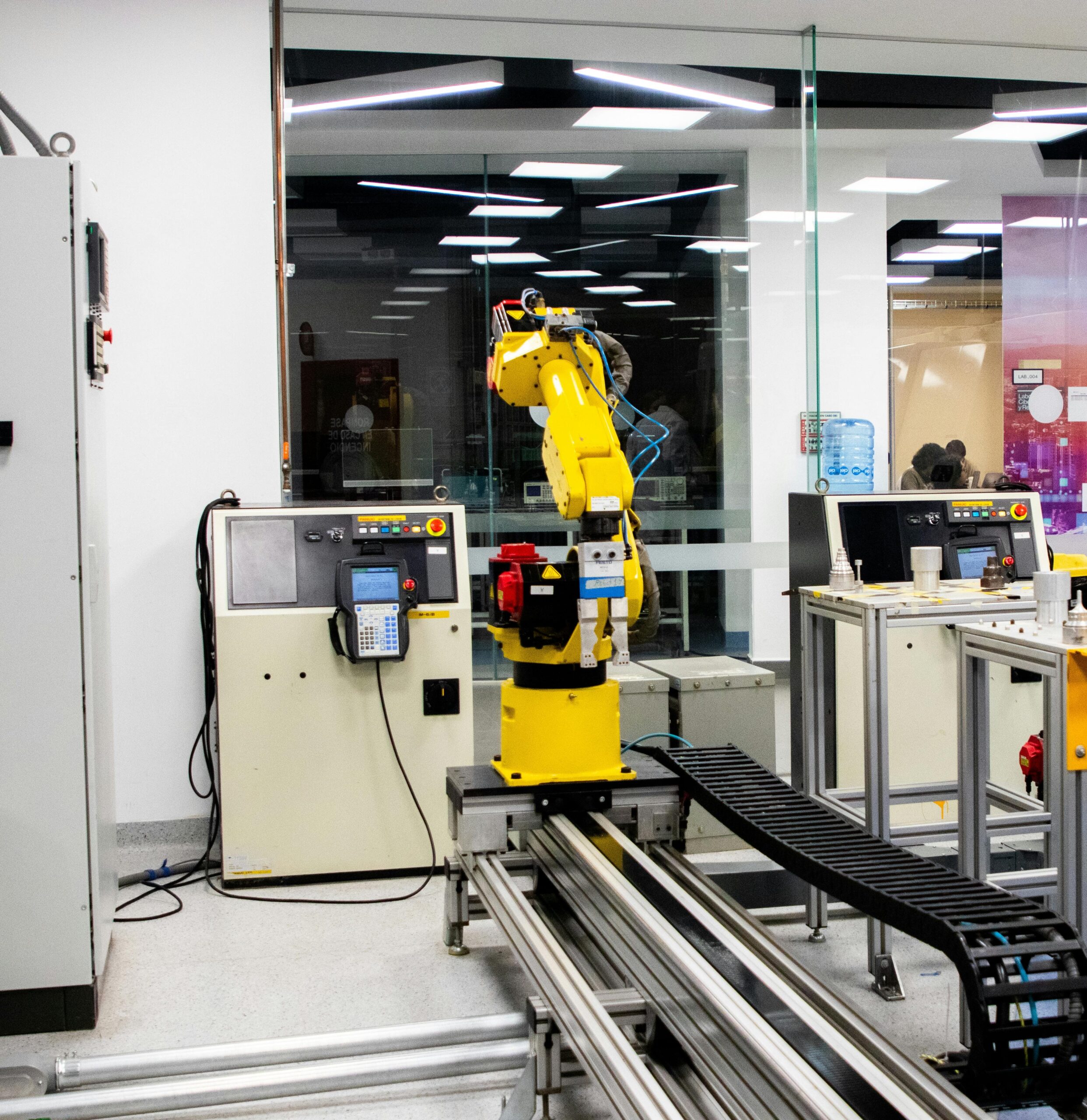
The future of AI and automation holds immense potential. Continued advancements in AI algorithms, machine learning models, and robotics will lead to more sophisticated and capable systems. These technologies will further enhance productivity, streamline operations, and enable new levels of innovation across industries.
Sustainable Technology
As the world grapples with environmental challenges, sustainable technology is becoming increasingly important. Innovations in renewable energy, energy-efficient devices, and sustainable manufacturing practices are driving efforts to reduce the environmental impact of technology. Companies are investing in green technology to create a more sustainable future.
Conclusion
The evolution and impact of technological products and services are profound and far-reaching. From the advent of personal computing to the rise of AI and IoT, technology continues to shape our world in remarkable ways. The benefits of these advancements, including enhanced productivity, improved connectivity, and economic growth, are evident across various sectors. As we look to the future, emerging trends like 5G, blockchain, and sustainable technology hold promise for even greater innovation and progress. Embracing and leveraging these technological products and services will be crucial for individuals, businesses, and societies to thrive in an increasingly digital and connected world.